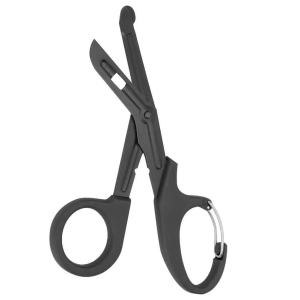
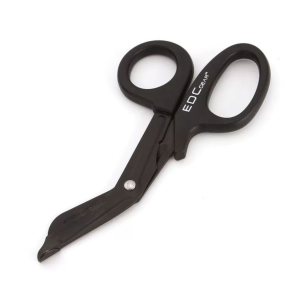
PayPayPlast medical shears on a carabiner: hardened steel and a fully black coating
А000113
81 ₴
Out of stock
Buy
Guides for this section
All guides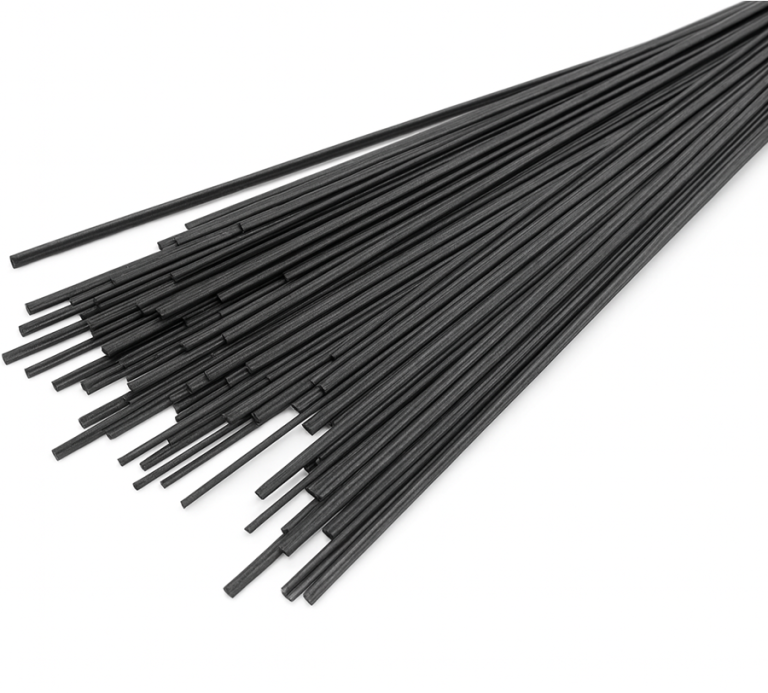 Plastic weldingHow to weld plastic with a rod: step by step and 7 mistakesGroove, heat, rod feed and cooling. How to make a seam that won’t chip off, and what not to do even “to save time”.4 min readReadPlastic weldingHow to weld a washer fluid reservoir or coolant tank so it stops leakingThe tank cracked after a frost or from vibration. How to weld it with rod, test it for leaks and when it is better to replace it.4 min readRead
 Plastic weldingHow to weld a polyethylene jerry can, barrel or kayakPolyethylene can’t be glued — it has to be welded. How to weld a crack or hole in a container, barrel or plastic kayak, and when you must not.3 min readRead
How to choose a rod
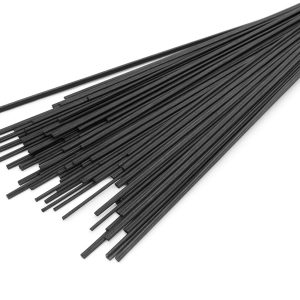
The rod must be the same plastic as the part. Otherwise the materials will not bond: the seam looks solid but peels off under load or frost.
The material is marked in angle brackets on the back of the part. PP — bumpers and washer tanks, TPO — modern bumpers, ABS — housings and body kits, PE and HDPE — canisters and tanks, PVC — pipes and profiles.
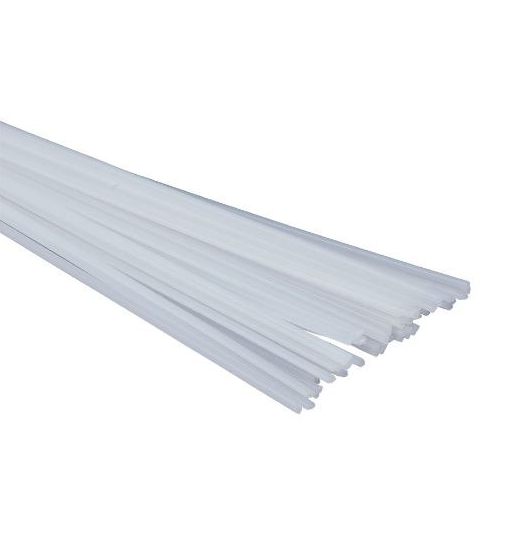
All our rods are twin-core, 100 grams per pack. Colour does not affect strength: black for dark parts, white for light ones or for painting.
What if there is no marking?
Send a photo of the part on Telegram. The shape, colour and break pattern usually give the material away.
How much rod does one repair take?
A 10–15 cm crack takes roughly 10–15 grams. A 100 g pack covers several repairs.