Polyethylene (PE, HDPE) barely holds glue, so cracks are welded with rod of the same plastic. Wash and degrease the area, drill holes at the crack ends, cut a V-groove, heat the surface to a gloss and melt the rod in, stirring it into the base. Make the seam no thinner than the wall and carry it 1–1.5 cm past the crack; reinforce long cracks on flat areas with stainless mesh. Never weld cans that held fuel.
Jerry cans, water barrels, sprayer tanks, garden containers and most plastic kayaks are made of high-density polyethylene — HDPE. It is tough and flexible but has one awkward property: almost nothing sticks to it. On the other hand, polyethylene welds beautifully, and a crack welded with rod of the same plastic becomes part of the wall.
Safety first
Cans and tanks that held fuel, solvents or chemicals are not welded at home: vapours can ignite even after washing and airing. Use a repaired container for non-drinking water: welding rods have no food-contact certification.
Heated plastic gives off fumes, so work outdoors or with good ventilation, and wear a respirator for longer jobs.
Regular or cross-linked polyethylene
Most kayaks and containers are HDPE, which welds well. But some boats are made of cross-linked polyethylene (XLPE, HDXLPE). A kayak repair technician interviewed by Paddling Magazine warns that its melting point is very close to its burning point, and without professional experience it is easy to scorch. If you don’t know what your boat is made of, ask the manufacturer before you heat it.
What you need
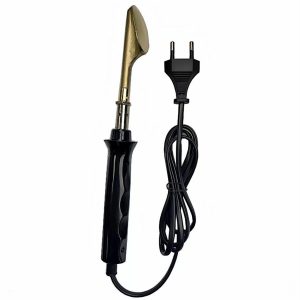
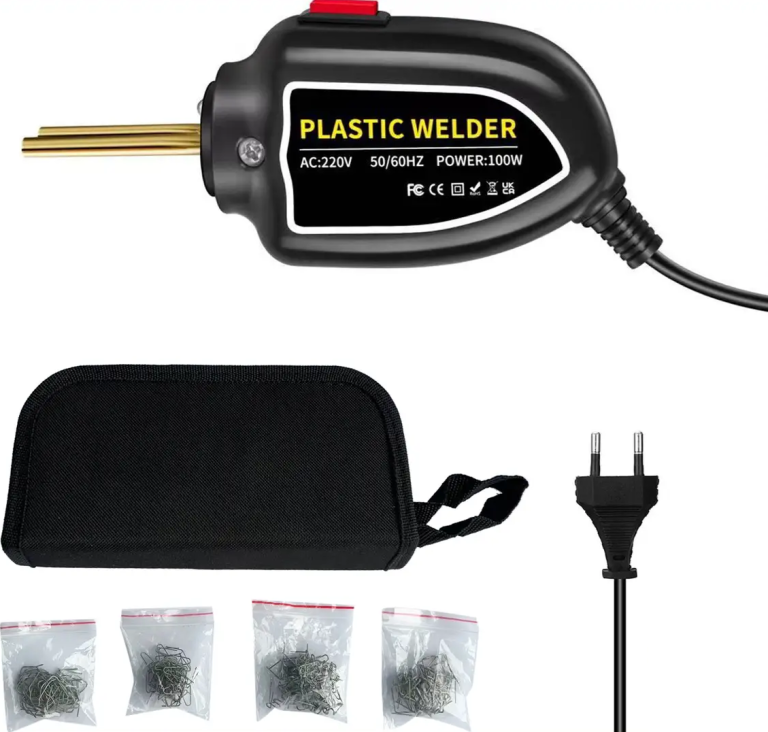
- A plastic welding iron with a plate or smoothing tip.
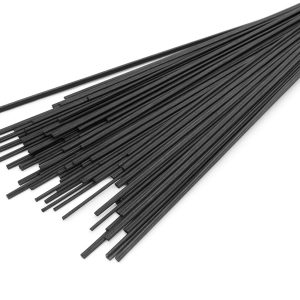
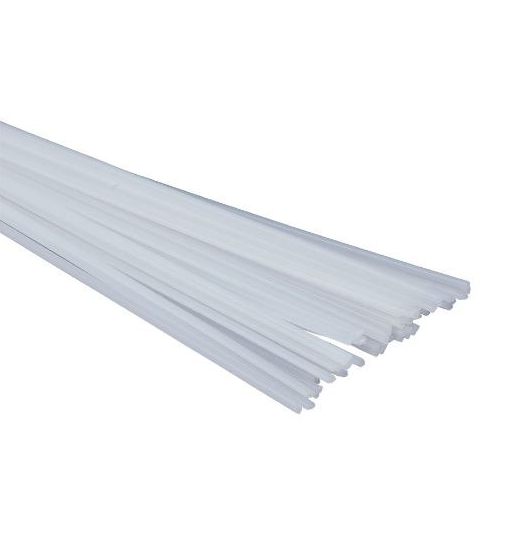
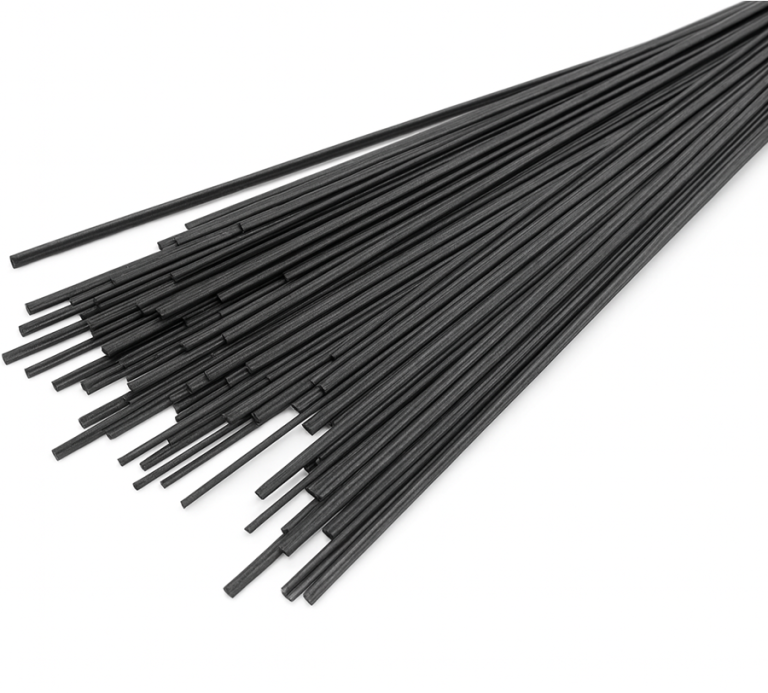
- HDPE or PE rod matching the container’s colour and material.
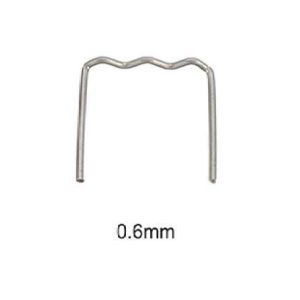
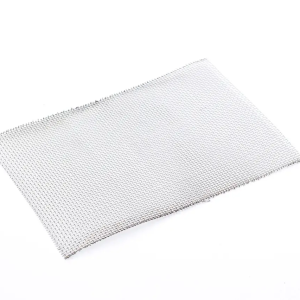
- Stainless reinforcing mesh — for long cracks on flat areas.
- A drill with a 2–3 mm bit, a scraper or knife, alcohol, sandpaper.
Step by step
- Wash the repair area with soapy water and dry it.
- Drill holes at the crack ends. The smaller the bit the better — large holes will need filling later.
- Cut a V-groove along the crack with the corner of a scraper or a knife and lightly clean around it. Wipe with alcohol.
- Heat the surface. When sun-faded, “fuzzy” plastic turns glossy, it is ready.
- Melt the rod in and stir it into the base without letting the melt pool. Don’t rush: polyethylene conducts heat poorly and must be heated through.
- Carry the seam 1–1.5 cm past the crack on both ends so it won’t run further.
- Support the shape while it cools so the hull or wall doesn’t warp. Cool it naturally — water weakens the weld.
- Level it with a scraper, file or sandpaper.
Paddlers suggest practising on an old plastic bucket before the first boat repair, to get a feel for heat and speed. And the kayak repair technician stresses that the seam should be no thinner — ideally thicker — than the wall, otherwise it becomes the new weak spot.
based on Whitewater Guidebook and Paddling MagazineWhen you need mesh
For long cracks on flat areas — a boat’s hull, a barrel wall — melt a strip of stainless mesh into the inside: it doesn’t rust and spreads the load over an area. The mesh should extend about 2 cm past the crack on each side, and the plastic must flow fully around it — if the material hasn’t mixed around the wire, the seam will open under load.
If there is a hole
Cut a patch from the same kind of polyethylene — an old can or an offcut — with a 1.5–2 cm margin around the hole. Clean and heat both surfaces, press the patch on and run rod around the edge, stirring it into both patch and wall. For large holes, melt mesh in under the patch.
Match the rod colour to the item: white rod on a white barrel or black on a black can is barely visible after sanding. Rod colours and types are covered in how to weld plastic with a rod.
FAQ
Why won’t glue hold on a jerry can?
Polyethylene has very low surface energy: glue and sealant sit on it like on oiled glass and let go at the first flex. That is why polyethylene is welded.
Can I store drinking water in it afterwards?
Better not. Welding rods have no food-contact certification. Use the repaired container for watering, non-drinking water or storage.
Will a repaired kayak take knocks?
Yes, if the seam is no thinner than the wall, the rod is mixed into the base and long cracks are reinforced with mesh. Cross-linked polyethylene (XLPE) is hard to weld — leave it to a professional.
Which rod — HDPE or PE?
Match the item’s marking: >HDPE< or >PE-HD< means HDPE rod, >PE< or >LDPE< means PE. With no marking, HDPE usually suits jerry cans and barrels.
Sources and workshop experience
- Paddling Magazine — a Paddle Sports Repairs technician on HDPE vs cross-linked PE, heating, mixing and cooling
- Whitewater Guidebook — paddlers’ experience: holes at the crack ends, a V-groove, practising on an old bucket
Updated 30.09.2026 · PayPayPlast editorial team — we test the advice on our own repairs
Read next
 Plastic weldingHow to choose a hot stapler or a plastic welding ironStaples or rod, 50 or 110 W, a kit or just the tool. We compare the options and explain what to buy for your repair.4 min readRead
 Plastic weldingHow to weld plastic with a rod: step by step and 7 mistakesGroove, heat, rod feed and cooling. How to make a seam that won’t chip off, and what not to do even “to save time”.4 min readReadPlastic weldingHow to weld a washer fluid reservoir or coolant tank so it stops leakingThe tank cracked after a frost or from vibration. How to weld it with rod, test it for leaks and when it is better to replace it.4 min readRead
Cannot find your case? Message us on Telegram and we will tell you exactly what to take for your part.
Message us on Telegram