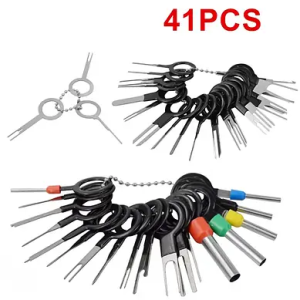
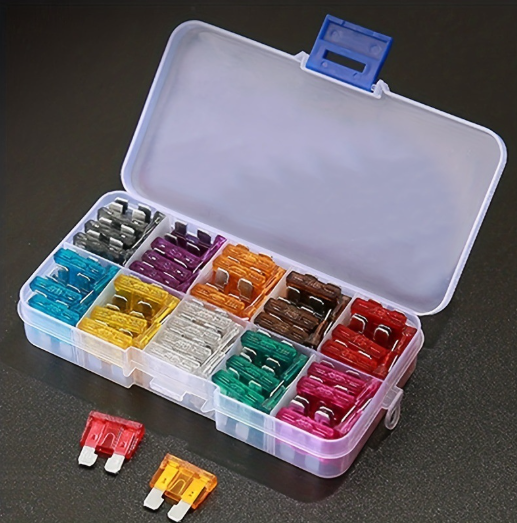
Check the fuse first: switch off the ignition, find it using the diagram on the fuse box lid, pull it and look at the link or test it with a tester. Replace it only with the same rating — the colour tells you which. If a new one blows straight away, look for a short instead of fitting a bigger fuse. If the fuse is fine but there is no power, inspect the connector: pins come out with a depinning tool after the secondary lock is released, without force.
The power socket, one headlight, the radio or a window stops working — and the first thought is an expensive repair. In reality two small things are most often to blame: a blown fuse or a poor contact in a connector. Both can be checked in half an hour without special equipment.
Part 1. The fuse
Where to look
Most cars have two fuse boxes: one inside (under the steering wheel, at the side of the dashboard or in the glovebox) and one under the bonnet. The lid or the owner’s manual has a diagram with numbers and circuits. There is often a plastic fuse puller inside the box.
How to check it
- Switch off the ignition and the device that isn’t working.
- Find the fuse on the diagram and pull it out straight with the puller, without wiggling.
- Hold it up to the light: a good fuse has an unbroken link; a blown one is broken or scorched.
- Or test it in place through the two metal test points on top: a probe or test lamp shows whether there is power on both sides.
Colours and ratings
Standard blade fuses about 19 mm wide use the same colours across all makers.
| Colour | Rating | Colour | Rating |
|---|---|---|---|
| grey | 2 A | blue | 15 A |
| violet | 3 A | yellow | 20 A |
| tan | 5 A | clear or white | 25 A |
| brown | 7.5 A | green | 30 A |
| red | 10 A | blue-green | 35 A |
Never fit a fuse with a higher rating than specified, let alone a wire bridge. A fuse protects the wire: a bigger one lets through current that can melt the wiring and set it on fire.
An experienced auto electrician on the Mini owners’ forum gives a simple rule: if a new fuse blows straight away, don’t fit a third — find out why. And don’t panic over a single blown fuse: fuses age, and a tired one can go without any fault.
based on The Mini ForumIf the fuse keeps blowing
The cause is a short or an overload. Most often a wire has chafed where it moves or vibrates: in the rubber boot between the body and the door, near the boot lid, under the seats. Another common cause is a faulty power socket or a cheap charger plugged into it. Unplug everything on that circuit and reconnect things one at a time.
Part 2. The connector contact
If the fuse is fine but power doesn’t reach the device, inspect the connectors along the way: green corroded contacts, a pin backed out of the housing, or a broken latch. A pin can be removed, cleaned or replaced without changing the whole connector.
How to remove a pin without breaking the plug
- Disconnect the negative battery terminal.
- Unplug the connector and see from which side the pin is held.
- Release the secondary lock. This is a coloured plastic insert (TPA) that stops pins backing out even if the main latch fails. Slide it out a few millimetres or remove it — gently, so its own tabs don’t snap.
- Insert the tool from the mating face — into the gap next to the contact where the locking tang sits, not into the pin opening itself.
- Push the wire slightly forward from behind to take the tension off the tang, hold the tool in and ease the wire out backwards.
- If it won’t come, don’t pull harder. Take the tool out, insert it again and check the secondary lock is released.
Before removing pins, photograph the connector from both sides: in a 20-way plug it is very easy to mix up which wire goes where. Push the pin back in until it clicks clearly, give the wire a light tug, then refit the secondary lock.
If the wire next to the pin is broken
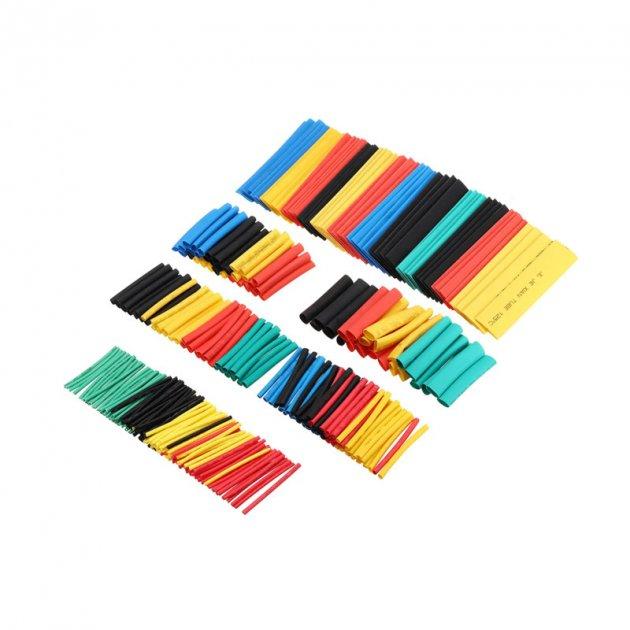
Cut out the damaged section, join the wire with a butt connector or solder, and always insulate it with heat shrink — how to do it properly is covered in crimping and heat shrink.
FAQ
Can I fit a 15 A fuse instead of a 10 A?
No. The rating matches the wire in that circuit. A bigger fuse won’t blow while the wire is already overheating — and the wiring can catch fire.
Why did a fuse blow once and never again?
Fuses age, and a brief current spike or a faulty gadget in the power socket can blow one too. If the new one holds, you’re fine.
How do I find the secondary lock in a connector?
It is an insert of a different colour — often white, red or violet — on the mating face or the side of the housing. While it is in place, no pin will come out.
Can I remove a pin with a needle or hairpin?
Sometimes it works, but a needle bends the tangs and scratches the contact. A tool of the right shape presses only on the lock, so the pin and the housing stay intact.
Sources and workshop experience
- The Mini Forum — an auto electrician’s notes: why fuses blow, why never to upsize, and when to hunt for a short
- Lazada Auto Guides — removing terminals safely: secondary lock first, tool from the mating face, no force
Updated 30.09.2026 · PayPayPlast editorial team — we test the advice on our own repairs
Read next
 Car electricsHow to crimp a wire ferrule and insulate it with heat shrinkStranded wire in a terminal frays, heats up and comes loose. How to fit a ferrule properly, what to crimp it with and how to choose heat shrink so the joint lasts for years.4 min readRead
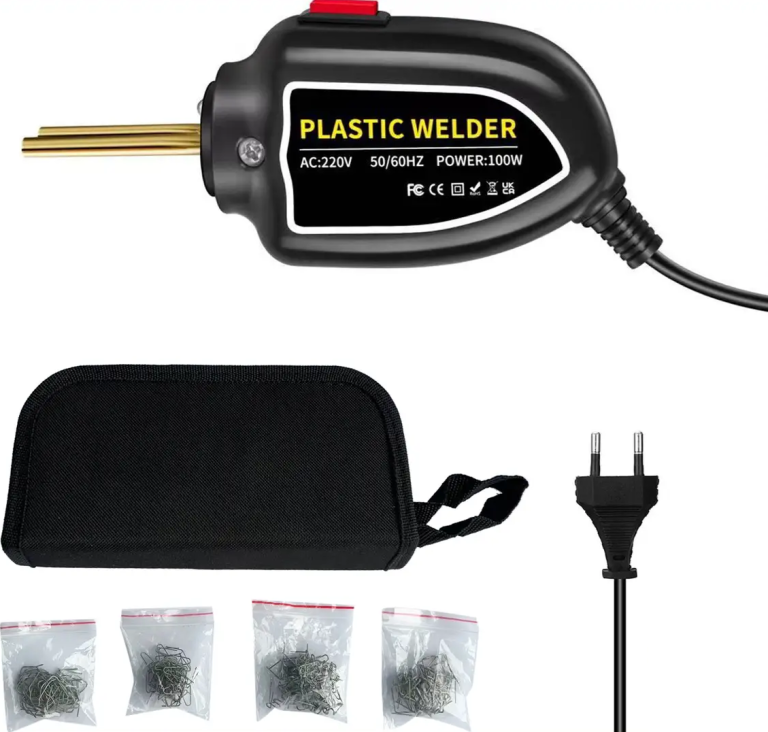 Plastic weldingHow to choose a hot stapler or a plastic welding ironStaples or rod, 50 or 110 W, a kit or just the tool. We compare the options and explain what to buy for your repair.4 min readRead
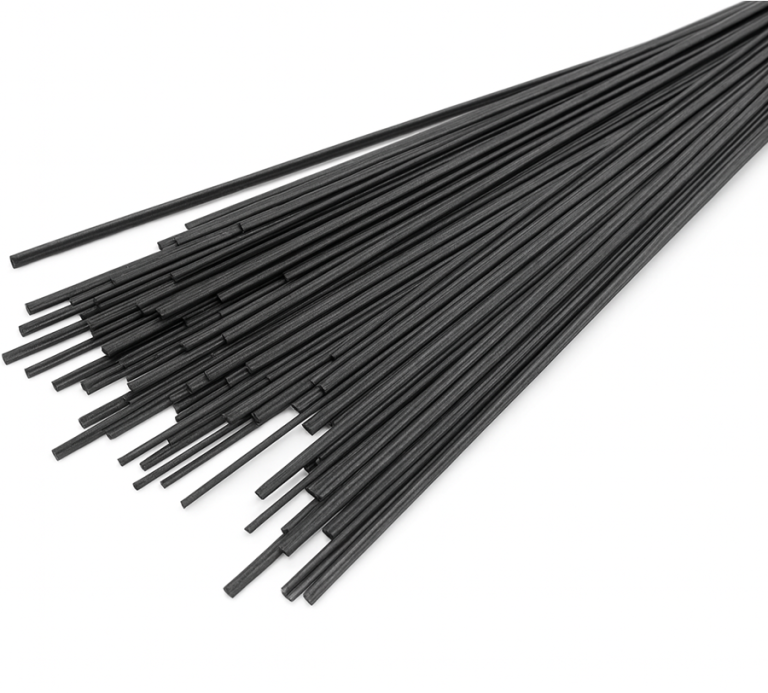 Plastic weldingHow to weld plastic with a rod: step by step and 7 mistakesGroove, heat, rod feed and cooling. How to make a seam that won’t chip off, and what not to do even “to save time”.4 min readRead
Cannot find your case? Message us on Telegram and we will tell you exactly what to take for your part.
Message us on Telegram